

What are macros and how the heck do you apply the concept to your weightless journey. Here’s what you need to know!
A focus on macros became very popular when the If It Fits Your Macros (IIFYM) approach hit the health and fitness industry – however the term macros is just short for macronutrients,
Macronutrients are simply essential nutrients that your body needs to function at an optimal level. There are also micronutrients, vitamins and minerals, that our bodies also require in small amounts.
So why is there so much focus on macronutrients as opposed to calories. The answer, our bodies are complex. Calories in vs. calories out is just the beginning. Caloric counting does not provide visibility to the entire picture and does not account for the types of food that you are consuming – like macronutrients, micronutrients, additional sugar and processed ingredients/additives.
Macronutrients are made up of three basic components – protein, carbs and fats. You determine whether a food is considered in one of these categories by understanding the nutrition. A food that contains a higher amount of one of these components is classified as such. For example, 4 oz of chicken contains about 25 grams of protein, no carbs and very little fat – so Chicken is considered a great protein source. Peanut butter is considered a good fat source, even though it does contain protein. Two tablespoons of peanut butter contains about 16 grams of fat. That is the higher macronutrient of the three in peanut butter – so it is a fat source. The key to counting macros lies in choosing the right macro sources to fulfill your customized macro ratio for the day.
Protein provides the building blocks of cells and muscle – amino acids. Protein is essential beyond muscle structure and growth it is also the core component of organs, bones, hair, enzymes, all tissue and supports a healthy immune system. Protein sources include, but aren’t limited to:
- Fish and Seafood – salmon, tuna, white fish, shrimp, crab)
- Poultry (chicken and turkey)
- Beef
- Eggs,
- Dairy (cheese, unsweetened yogurt, non-dairy alternatives)
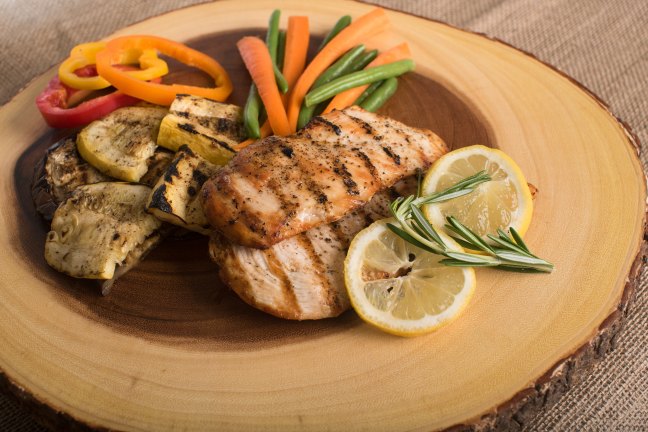
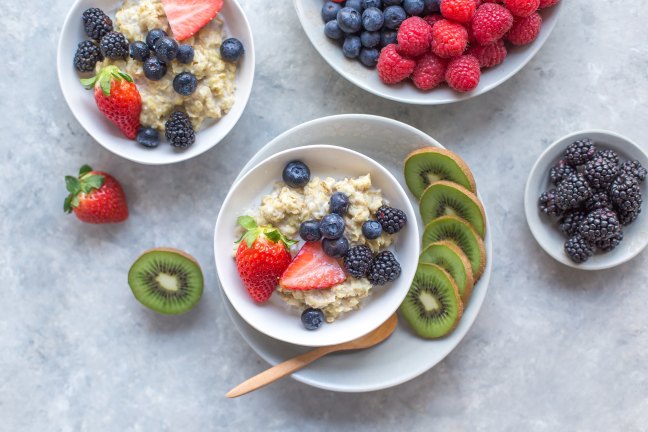
Carbs are made up of chains of starch and sugar that the body breaks down into glucose. Carbohydrates are a main source of energy for the body and the brain. Carbohydrate sources include, but aren’t limited to:
- Whole Grains (oats/oatmeal, brown rice and jasmine rice)
- Quinoa
- Starchy Vegetables (potatoes, red potatoes and sweet potatoes)
- Fruits (Strawberries, blueberries, blackberries, etc.)
- Veggies
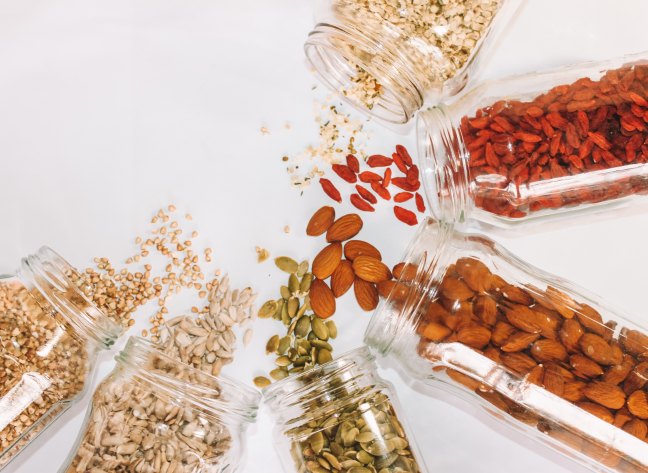
Fats are needed for brain development, making hormones and aiding in the absorption of fat-soluble vitamins. They require more energy to burn, but they are helpful for increasing feelings of satiety, meaning they will keep you fuller for longer. Fat sources include, but aren’t limited to:
- Avocado
- Avocado Oil
- Olive Oil, Coconut Oil
- Full-Fat Dairy
- Nuts (almonds, walnuts, cashews)
- Seeds (chia, pumpkin, flax)
- Fatty Fish (salmon or trout)
**There are a ton of macro lists on Pinterest that show you food options in each category. This can help you meal plan.
**I recommend tracking your meals with an App like MyFitnessPal as well. This will give you a more accurate idea of what you took in compared to your macro goals.
Regardless of your goal, whether it be weight loss or muscle gain, you will need to set the appropriate macro ratio for your body and lifestyle to achieve optimal results.
So HOW do you set and track your macros. Well I tell my new and beginner clients to start small. There are a ton of macro calculators out there – they use a general equation and spit out a set of numbers based on your height, weight, activity, lifestyle, etc. Bodybuilding.com has one as an example.
This is a great place to start – keep in mind these numbers are somewhat generalized, so you will want to track your progress, be consistent and make adjustments to your numbers when appropriate.
Hiring a coach is very valuable, and this is where a coach can help. Make sure that you do your research, since everyone and their brother identifies themselves as a coach or trainer these days. Make sure that you hire an educated professional – but once you find the right person, they can help you set your numbers, keep you on track and assess your progress as you go.
Keep in mind, there are a variety of different approaches to health and wellness. I don’t believe in diets. In my opinion the macro approach isn’t a diet – it’s a nutritional approach that provides balance and sustainability.
Questions? Contact me here! Don’t forget to follow me on Instagram at @KFit_Kb.
 Fit Little Bits